
The First 30 Days: A Protection Checklist for a New Vehicle
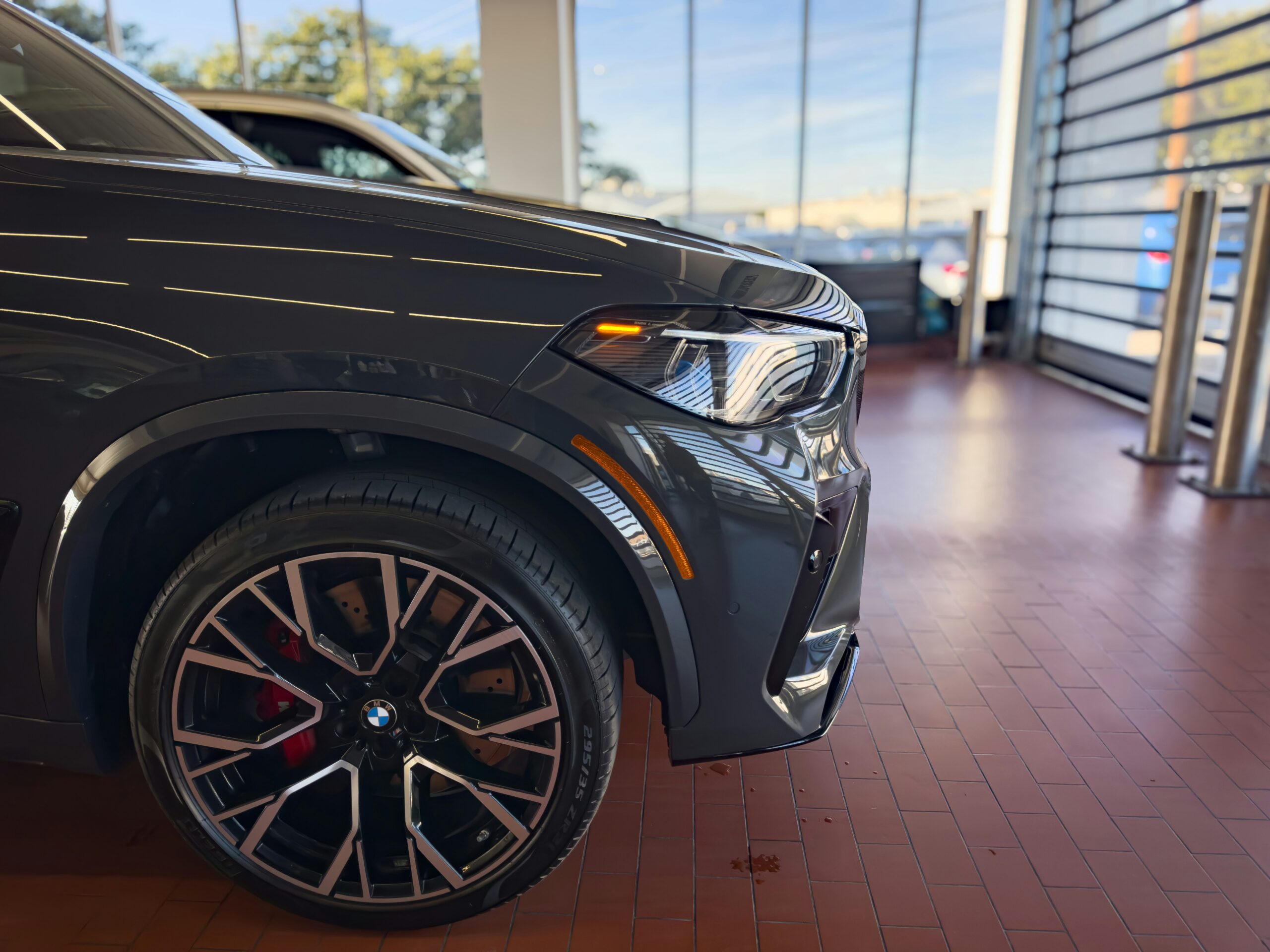
The First 30 Days Matter More Than Any Single Product You Buy
Most of the protection decisions that actually affect your vehicle’s long-term condition get made — or missed — in the first month of ownership. It’s not that later protection is worthless, it’s that paint, leather, and cargo surfaces take their worst early damage before most owners think to act.
The Damage That Happens Before You Even Notice It
New paint is softer and more vulnerable than cured paint from a year-old vehicle, and the first handful of washes, parking lot doors, and dusty drives are often where the foundational swirl marks and micro-scratches originate. These don’t ruin a car, but they compound. A vehicle that accumulates light paint damage in year one looks noticeably worse by year three than one that was protected early — not because anything dramatic happened, but because the baseline was set low from the start. The same logic applies to interior surfaces: unprotected leather and light-colored trim absorbs oils and dyes from clothing far more readily when it’s new and unconditioned.
Where Acting in the First Month Actually Changes the Outcome
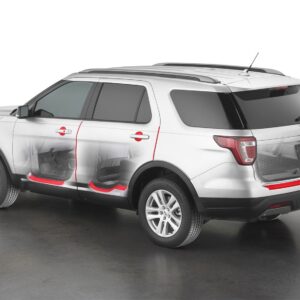
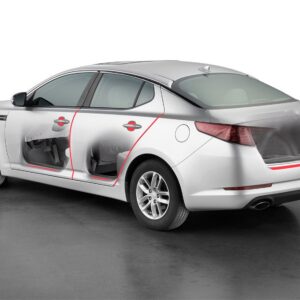
Paint protection film on high-impact zones. The front bumper, hood leading edge, and mirror caps take rock chip and road debris damage disproportionately compared to the rest of the vehicle. Installing PPF in the first few weeks means the factory paint underneath stays pristine — there’s no damage to work around, no chips to hide. Waiting a year means you’re either protecting compromised paint or spending more to correct it first.
Ceramic coating before the car sees regular washing. Ceramic coatings bond best to clean, uncontaminated paint. A new vehicle fresh from a proper prep detail is close to an ideal surface. The practical benefit here isn’t just protection — it’s that every wash for the next several years gets easier and less abrasive, which accumulates into real paint preservation over time.
Cargo liners and interior protection before the first load. Cargo areas and driver’s floor mats take irreversible wear fast. A custom-fit liner installed before the first grocery run or camping trip means you’re protecting the original surface, not replacing the appearance of a damaged one.
Where the First-Month Window Doesn’t Matter as Much as People Assume
Not everything needs to happen immediately, and some protection decisions aren’t particularly time-sensitive. Wheel coatings, for example, are useful but don’t carry the same “act now or it’s too late” urgency as paint protection — wheels can be cleaned and coated effectively later without meaningful compromise. The same is roughly true for exterior trim protection on vehicles that won’t see heavy UV exposure right away. If your budget is limited, front-loading the resources toward paint film and coating makes more sense than spreading thin across every product category simultaneously.
A Practical Priority Order for the First 30 Days
If you treat the first month as a single decision window rather than a series of individual purchases, the priority order looks something like this:
- PPF on high-impact zones first — this is the protection that can’t be retroactively applied to undamaged paint once chips exist.
- Ceramic coating on paint and glass — best applied to a fresh surface, with long-term wash maintenance benefits.
- Interior liners and cargo protection — low cost relative to the permanent wear they prevent.
- Everything else on your own timeline — trim, wheels, and other surfaces are worth doing but not time-critical in the same way.
The window isn’t magical — a well-protected vehicle at six months is still better than one left unprotected for five years. But the first 30 days are the only time every surface is simultaneously new, undamaged, and easy to protect.
Explore paint protection film, ceramic coatings, and interior liners →